Why Website Traffic Doesn’t Turn Into Enquiries (And How to Fix It)
One of the most common frustrations we hear from business owners and marketing teams is this:
Traffic is landing on the site, but it isn’t turning into enquiries.
On the surface, everything looks good. Visitors are arriving, but in reality, enquiries are low, inconsistent, or of poor quality.
At that point, attention usually shifts to traffic, SEO, and paid media.
In most cases, traffic isn’t the problem.
Websites often struggle to convert because they aren’t built to support decision-making. They attract attention, but do very little to turn that attention into action.
Traffic without intent is unhelpful
Not all traffic is equal, and volume alone rarely tells you anything useful.
Many sites are set up to attract as many visitors as possible without being clear about who those visitors should be. Content targets broad terms, and campaigns are judged on reach rather than relevance.
That approach brings people in, but not necessarily the right people.
Conversion usually starts before someone lands on the site. It begins with alignment between what they searched for, what they expected to see, and what they actually found.
When those things don’t line up, people leave.
The message is too vague to act on
Generic messaging is another common issue.
If you try to appeal to everyone, you usually end up appealing to no one.
Phrases like “tailored solutions” and “end-to-end support” sound reassuring, but they don’t say anything meaningful.
When someone can’t quickly tell whether a website is relevant to them, they might scroll for a moment, but most move on.
Websites that convert take a strong position. They’re clear about who they work with, what problems they solve, and who they aren’t right for.
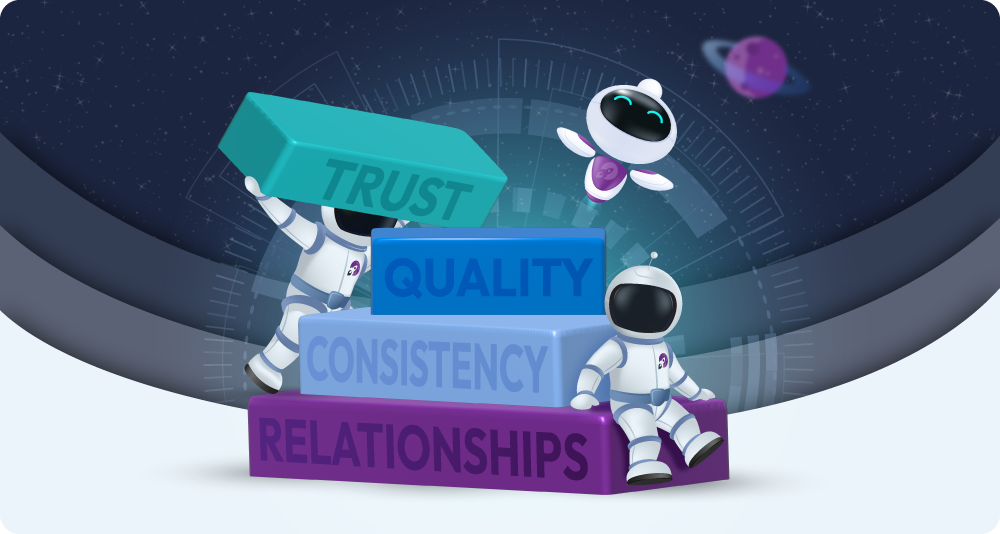
Clarity builds trust, and trust leads to enquiries.
The website explains, but doesn’t guide
Most websites are very good at explaining what a business does; they list services, outline processes, and describe capabilities.
What they don’t do is guide behaviour.
Visitors are left to work things out for themselves. That takes effort, and most people won’t invest that effort early on.
Guiding behaviour means reducing thinking. It means showing the next step clearly, reinforcing confidence, and making progress feel easy.
A website that guides behaviour makes it easier for people to enquire.
Trust is assumed, not earned
Established businesses often assume their credibility is obvious.
Online, it rarely is.
Logos, years in business, and client names help, but they aren’t enough on their own.
People look for evidence, they compare, and they want signs that you understand their industry and have solved similar problems before.
Enquiries happen when confidence builds, not when claims are made.
The enquiry point feels like a commitment
Sometimes the blocker is simply the enquiry process itself.
Forms are long, language feels sales-led and calls to action feel like commitments rather than conversations.
It’s the difference between asking a quick question and filling in an application form.
One feels easy, the other feels like hard work.
For many decision-makers, the first step isn’t buying; they just want to sense-check.
If that step feels arduous, they leave.
The site isn’t built around how people actually buy
Most B2B buying journeys aren’t linear.
People dip in and out, revisit pages, compare options and look for reassurance.
Websites that assume a straight line from homepage to contact page miss this reality.
High-performing sites anticipate uncertainty. They answer questions before they’re asked and reinforce key messages naturally.
When this doesn’t happen, traffic circulates the site but never converts into enquiries.
Why teams struggle to fix it
Conversion issues are uncomfortable because they often point to deeper problems: positioning, clarity, or focus.
It’s easier to tweak buttons than question fundamentals.
Small optimisations have their place, but if the basics aren’t right, they rarely change outcomes.
What actually improves enquiry rates
Websites that convert consistently tend to share a few characteristics:
- They’re clear about who they’re for
- They communicate simply
- They show evidence early
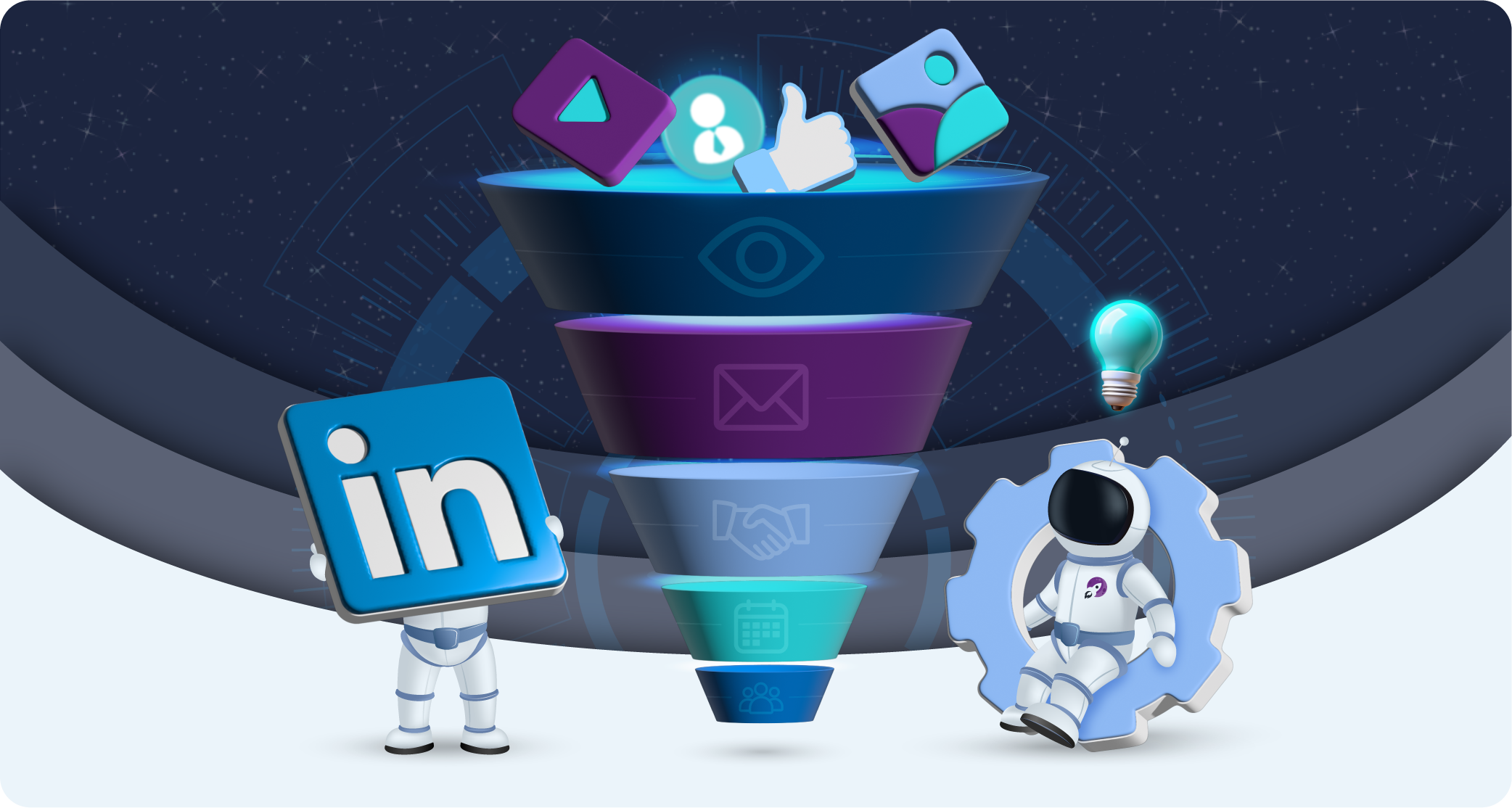
- They guide visitors through a funnel
Most importantly, they’re treated as systems, not brochures, and someone is accountable for performance.
A final thought
When traffic doesn’t turn into enquiries, it’s tempting to look outward: more channels, more campaigns, more reach.
Often, the answer is closer to home.
When a website reflects how people think and buy, enquiries tend to follow.
How we can help
This is exactly what we review through our Website Health Check.
It looks at how well your site supports decision-making, builds confidence, and guides people towards the next step, not just how much traffic it receives.
If your site gets attention but enquiries feel unpredictable, it’s a practical place to start.